Raising Kids Who Can Handle Hard Things

As parents, caregivers, and educators, our instinct is often to protect children from discomfort, smoothing out the path, solving the problem, and sparing them from disappointment, frustration, sadness, and failure.
But what if those difficult moments are actually some of the most important opportunities for growth?
Let’s look at it this way…
Rather than making it our goal to raise children who never experience hard things -
What if we…
Aim to raise children who face challenges, disappointment and frustration so that they know they can handle them?
Resilience Is Built, Not Born
Resilience is not a personality trait.
Resilience develops over time through real-life experiences.
Resilience takes support and practice.
Each time a child faces challenges, they have an opportunity to learn how to:
- manage uncomfortable emotions
- problem-solve
- adapt when things don’t go as planned
- ask for help
- recover from setbacks and move on
These experiences help children build confidence - not because everything worked out perfectly, but because it didn’t - and they discovered they could navigate challenges.
Rescuing vs. Supporting
When children show they are struggling, it can be difficult to allow them to feel uncomfortable without stepping in to rescue them or fix things.
Instead, we can offer support - but just how much is helpful?
Rescuing sounds like:
- “Let me fix that for you.”
- “I’ll talk to the teacher.”
- “Don’t worry about it, I’ll handle it.”
Supporting sounds like:
- “This is really hard.”
- "How's that working for you?
- “What have you tried so far?”
- “What do you think might help?”
- “I right here with you while you figure it out.”
We don’t need to remove every obstacle from a child’s world. At Parenting Upstream, we refer to this as “snow plow parenting”- clearing an “easy” path and removing anything in their way. Children actually need the skills and confidence to navigate the bumps along the way.
**If you want to go deeper on this topic, take a listen to our Parenting Upstream Podcast episode: Rethinking Resilience**
Emotional Intelligence Is the Foundation
Before children can solve problems, they need to understand what they are feeling.
When children are able to identify emotions like disappointment, frustration, embarrassment, or worry, they are better equipped to manage those tough emotions. This is why emotional intelligence matters so much!
Teaching children to recognize, understand, label, express and manage emotions - helps them:
- Develop self-awareness
- Build healthy coping skills
- Strengthen relationships
- Improve problem-solving skills
- Increase resilience
When a child can express, “I’m nervous about trying (something new),” they are already taking an important step toward managing those tough emotions.
Hard Moments Can Teach So Much
- Losing a game can teach perseverance.
- Conflict can teach communication.
- Poor test scores can teach problem-solving.
- Disappointment can teach flexibility.
- Mistakes can teach growth.
I can relate if you feel that this is difficult and watching your child/student/grandchild struggle or fail feels super uncomfortable. But think of it this way, these are often the experiences that shape our children to take life on with confidence and assurance.
How FeelLinks Supports Resilience
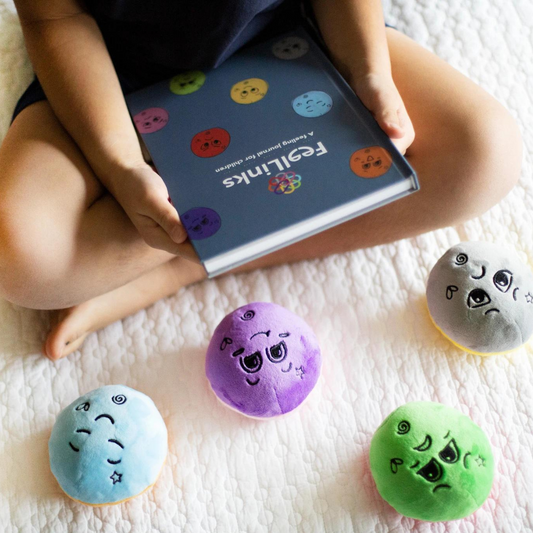
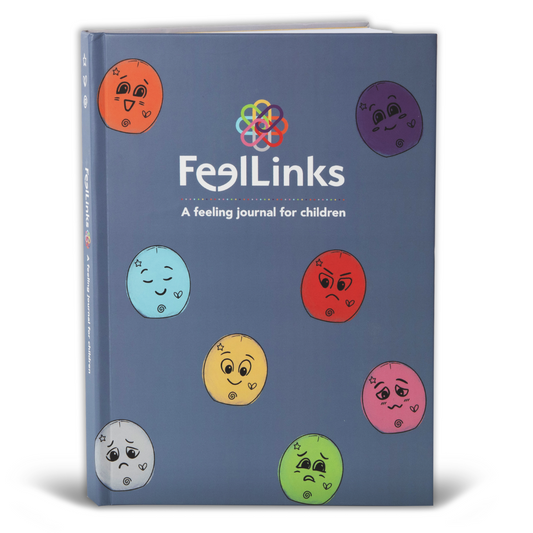
At FeelLinks, we know that emotional intelligence is one of the greatest gifts we can give children. When children learn to identify emotions, understand their experiences, and practice healthy coping strategies, they begin to trust themselves, walk through life with more confidence and feel that others believe in them.
They learn:
- “I can feel disappointed and keep going.”
- “I can make mistakes and learn from them.”
- “I can ask for help when I need it.”
- “I can handle big feelings.”
That confidence becomes the foundation for resilience.
Life will inevitably bring challenges, changes, setbacks, and uncertainty. We cannot, and should not, prevent every difficult experience. Instead, we should be helping children develop the emotional tools they need to face tough experiences with courage and confidence.
Resilient children struggle and they have the skills, support, strength and confidence to navigate it.
Feel it.
Name it.
Navigate it.
Grow through it.
FeelLinks helps children build emotional intelligence through engaging tools, meaningful conversations, and playful learning experiences that strengthen resilience and connection.