Small Conversations, Big Impact: Helping Children Navigate Feelings

Because every child deserves to feel seen, heard, valued, and safe
October is National Bullying Prevention Month, an important reminder that creating kinder, more empathetic, and inclusive communities begins with the everyday conversations we have with children.
As parents, educators, and caring adults, we want children to feel confident expressing their emotions, navigating friendships, recognizing unkind behavior, and knowing when and how to ask for help.
But these skills don’t simply appear overnight. They are learned, practiced, modeled, and strengthened through meaningful connections.
Sometimes, the most powerful conversations begin with the smallest questions.
“Which feeling matches your day?”
It may sound simple, but this one question can create an opportunity for a child to feel understood, especially when they are experiencing something difficult.
Why Feelings Matter in Bullying Prevention
When a child experiences exclusion, teasing, hurtful words, or bullying, they may not have the words to explain what happened or how it made them feel.
They might feel sad, angry, embarrassed, scared, confused, or even several emotions at once.
Some children withdraw. Others become frustrated or act differently than usual. And some simply don’t know where to begin.
That’s why building emotional intelligence matters.
When children have opportunities to recognize, name, express, and understand emotions, they begin developing skills that can support healthy relationships, empathy, self-awareness, and help-seeking.
Emotional intelligence doesn’t prevent every hurtful experience. But it can help children understand what they’re experiencing and communicate when they need support.
At FeelLinks, we believe feelings are meant to be felt, not fixed. Children deserve opportunities to explore their emotions without judgment, pressure, or the expectation that every difficult feeling must immediately disappear.
5 Meaningful Feelings Conversations to Practice With Children
These activities can be practiced at home, in classrooms, or adapted for therapeutic settings.
Remember, children can speak, point, draw, write, or simply choose not to share. Emotional safety begins with respecting their readiness.
1. Start With a Feelings Check-In
Try asking: “Which feeling(s) matches your day?”
Rather than beginning with a broad question like “How was school?”, invite your child to identify an emotion(s) that reflects their experience.
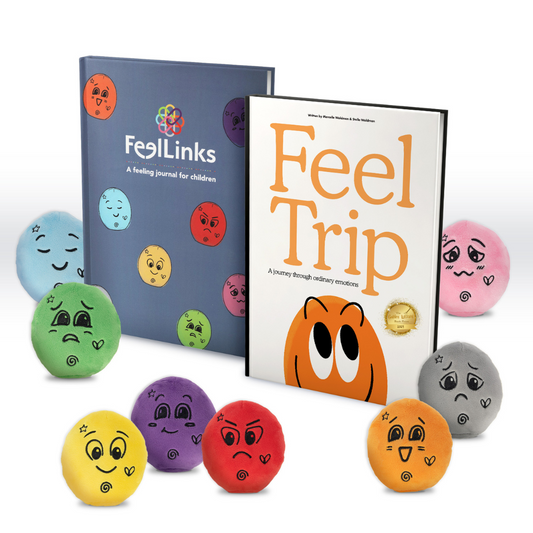
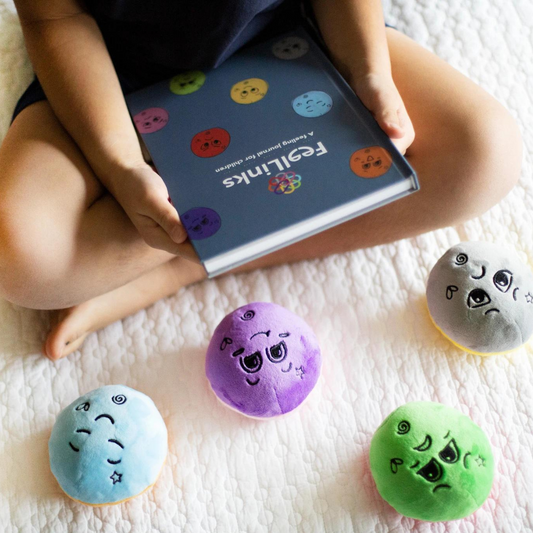
FeelLinks plush emotion dolls can provide a playful, tangible way for children to connect with feelings that may be difficult to put into words.
You might follow with:
- “Would you like to tell me more?”
- “Where did you notice that feeling today?”
- “Is there anything you need from me right now?”
Sometimes children will open up. Sometimes they won’t.
Both responses deserve respect.
The goal isn’t to force a conversation. It’s to create a safe invitation for one.
For educators, feelings check-ins can be part of a daily classroom routine, while keeping personal experiences and sensitive disclosures private.
2. Explore Empathy Through Stories
Try asking: “What might this character be feeling?”
Stories offer children a way to explore emotions and relationships without having to share their own personal experiences.
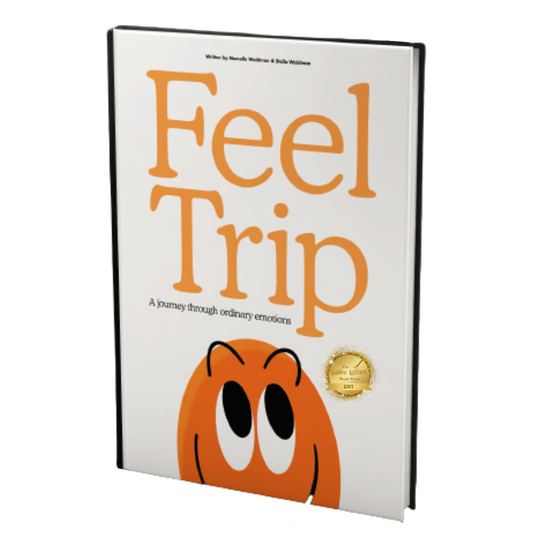
Read Feel Trip: A Journey Through Ordinary Emotions together and pause to explore the characters’ feelings and experiences.
Ask questions like: “What do you think this character might be feeling?”
- “Have you ever noticed someone feeling left out?”
- “What could a caring friend say or do?”
- “How might two people feel differently about the same experience?”
These conversations help children practice perspective-taking and recognize that other people have feelings, experiences, and needs that may differ from their own.
Empathy grows when children are encouraged to become curious about others rather than rushing to judgment.
3. Practice the Courage to Ask for Help
Try saying: “Something happened, and I need your help.”
One of the most important messages we can give children is that asking for help is a strength.
When children experience bullying or witness someone being hurt, they need to know they don’t have to handle it alone.
Practice simple phrases together:
- “Someone is being unkind to me, and I need help.”
- “Something happened at school that made me uncomfortable.”
- “I’m worried about a friend.”
- “I told someone, but I still need help.”
Help children identify trusted adults at school, at home, and in their communities.
And remind them of something especially important:
If one adult doesn’t listen or help, keep telling another trusted adult until someone takes action.
Children should never feel responsible for solving bullying situations by themselves.
4. Create a Quieter Way to Express Feelings
Try asking: “What would you like me to understand?”
Not every child feels comfortable talking about difficult experiences out loud.
Some children communicate more openly through drawing, writing, or quiet reflection.
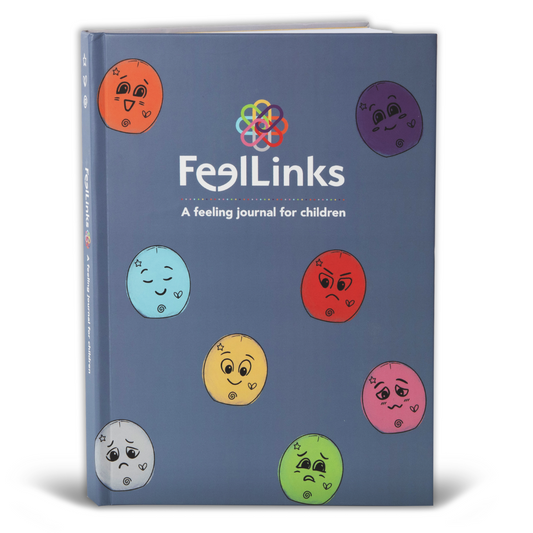
The FeelLinks Journal provides opportunities for children to explore emotions at their own pace.
Invite them to consider:
- “What happened today?”
- “How did that experience make you feel?”
- “What do you wish someone understood?”
- “What might help you feel supported?”
Children can choose how much to share.
For educators and caregivers, remember that journals can contain sensitive information. Respect children’s privacy while following appropriate safeguarding and reporting responsibilities.
Sometimes a drawing or a few written words can open the door to a conversation that a child wasn’t ready to have aloud.
5. Turn Kindness Into Action
Try asking: “What could you do if someone was being left out?”
Kindness becomes more meaningful when children understand what it looks like in everyday life.
Together, explore small but powerful actions:
- Inviting someone to join a game or activity.
- Checking in with a classmate who seems upset.
- Using words that include rather than exclude.
- Respecting another person’s differences.
- Telling a trusted adult when someone is being hurt or bullied.
Help children understand that kindness doesn’t require them to put themselves in unsafe situations.
They can show care, seek adult help, and support others without confronting bullying behavior directly.
These small actions help build communities where belonging and empathy are practiced, not just talked about.
Creating a Culture Where Every Child Belongs
Bullying prevention is about more than responding when something goes wrong.
It’s also about the relationships, language, and everyday experiences we create for children.
It’s about teaching that all feelings are valid, even when certain behaviors are not acceptable.
It’s about helping children recognize that being different doesn’t mean being less deserving of kindness or respect.
It’s about showing children, through our actions, that their voices matter.
Of course, feelings conversations are only one part of bullying prevention. When bullying occurs, adults must take appropriate action to protect children, address harmful behavior, and provide ongoing support.
Children are never responsible for preventing someone else’s bullying behavior.
But when we intentionally nurture emotional intelligence and empathy, we help build the foundation for healthier relationships and more inclusive communities.
Bringing Feelings Conversations to Life With FeelLinks
At FeelLinks, our mission is to help build a kinder, more empathetic, and inclusive world by giving children meaningful opportunities to connect with their feelings and one another.
The FeelLinks Ultimate Feelings Bundle, designed for ages 4 and up, brings together multiple ways for children to explore emotions:
- FeelLinks Plush Emotion Dolls: Tangible companions that encourage children to recognize, identify, and communicate feelings.
- FeelLinks Journal: A creative space for expressing emotions through writing, drawing, and reflection.
- Feel Trip: A Journey Through Ordinary Emotions: A story that encourages emotional exploration, meaningful conversations, and connection.
Together, these tools help make emotional learning approachable, engaging, and part of everyday life.
Whether you’re a parent sitting beside your child, a teacher creating a more connected classroom, or a school counselor supporting emotional growth, meaningful conversations can begin with one small question.
One Small Question to Ask Today
This October, I encourage you to ask a child in your life:
“Which feeling matches your day?”
Then listen.
Without rushing to fix.
Without judgment.
Without needing every answer.
Because sometimes, the most meaningful thing we can offer a child is the reassurance that their feelings matter, their voice matters, and they don’t have to navigate difficult experiences alone.
Small conversations build meaningful connections. And meaningful connections help build a kinder world.
💛 Explore the FeelLinks Ultimate Feelings Bundle at myfeellinks.com and bring more meaningful feelings conversations into your home, classroom, or counseling space.
FeelLinks — Building a kinder, more empathetic and inclusive world.